If you are facing federal drug trafficking charges in California, you are in one of the most serious legal situations a person can face. Federal prosecutions carry mandatory minimum sentences, decades-long prison exposure, and life-changing collateral consequences.
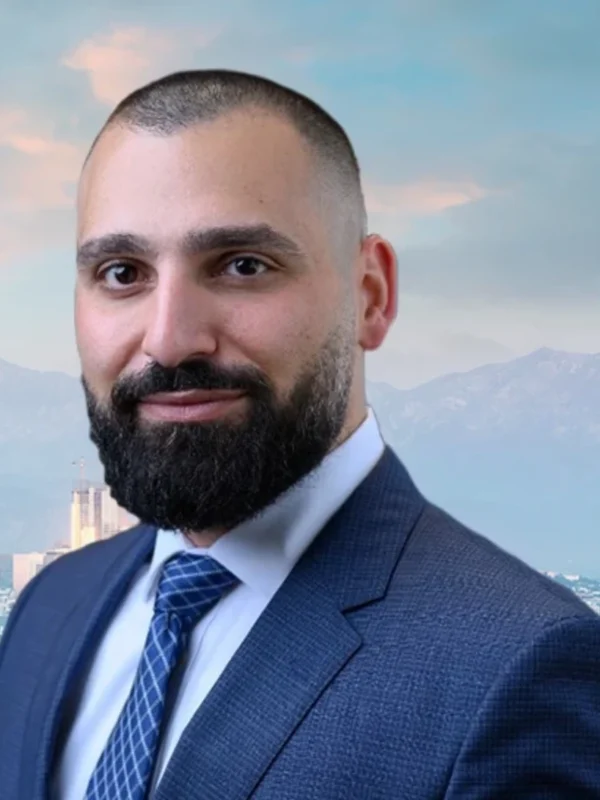
As a federal drug trafficking attorney serving Los Angeles County and the Central District of California, Attorney Chris Nalchadjian of KN Law Firm, APLC defends clients against indictments brought by the U.S. Attorney’s Office, the DEA, and federal task forces.
Federal drug cases are fundamentally different from state cases. The investigators, prosecutors, judges, sentencing rules, and trial procedures are all different — and the stakes are exponentially higher. You need a federal drug charges lawyer who practices regularly in federal court and understands how the U.S. Sentencing Guidelines, mandatory minimums, and federal evidence rules will shape your case.
Federal Drug Trafficking Cases We Handle
KN Law Firm represents clients across the full range of federal narcotics prosecutions. These cases are typically built over months or years of DEA surveillance, wiretaps, controlled buys, and confidential informants. By the time you learn you are under investigation — or are arrested — the government has often already assembled most of its evidence.
The federal drug cases we defend include:
- Distribution and possession with intent to distribute under 21 USC 841 — the core federal trafficking statute covering manufacture, distribution, and possession with intent to distribute controlled substances.
- Federal drug conspiracy under 21 USC 846 — agreements to distribute controlled substances, where the government does not need to prove a completed sale.
- Continuing Criminal Enterprise (CCE) charges under 21 USC 848 — the “drug kingpin” statute, which carries the most severe federal drug penalties.
- Importation and international trafficking under 21 USC 952 — bringing controlled substances into the United States, often through Southern California ports of entry.
- Fentanyl, methamphetamine, cocaine, heroin, and large-scale marijuana cases — including DEA-led prosecutions targeting cartel-connected distribution networks.
- Wiretap and Title III investigations — cases built on federal electronic surveillance.
- Money laundering charges tied to alleged drug proceeds.
What Federal Drug Trafficking Charges Mean for You
Federal drug penalties are driven largely by drug type and quantity. Most serious trafficking offenses carry mandatory minimum sentences of five or ten years, with maximums reaching life imprisonment. Prior drug convictions, firearm involvement, leadership roles, and overdose deaths can dramatically increase your exposure.
Unlike state cases, federal sentences come with no parole — defendants serve roughly 85 percent of their sentence before becoming eligible for release. Convictions also trigger asset forfeiture, immigration consequences for non-citizens, and federal supervised release of three years or more after prison. Understanding how the U.S. Sentencing Guidelines apply to your specific drug type, quantity, and role is critical from the very first meeting with your attorney.
Defenses exist in every federal drug case. Common challenges involve Fourth Amendment violations during searches, wiretap authorization defects, informant reliability issues, lack of knowledge or intent, and entrapment. The earlier these defenses are identified, the more leverage you have — including during the pre-indictment phase when an experienced attorney can sometimes prevent charges from being filed at all. To learn more about how cases are challenged, see our blog on federal vs state drug charges and DEA investigations.
Why Choose KN Law Firm for Federal Drug Defense
Attorney Chris Nalchadjian is admitted to practice in the U.S. District Court for the Central District of California, the Ninth Circuit Court of Appeals, and the United States Supreme Court — credentials required to defend federal cases at every level. He has appeared in federal courtrooms throughout Los Angeles and represents clients from initial DEA contact through trial, sentencing, and appeal.
Our approach to federal drug trafficking defense is built on three principles. First, get involved early. Federal investigations often signal themselves long before an indictment — through subpoenas, agent contacts, or co-defendants flipping. Early counsel can change the trajectory of a case. Second, scrutinize the government’s evidence aggressively. Wiretap applications, search warrants, and informant credibility all create grounds for suppression motions that can gut a federal case. Third, prepare every case for trial — even those that end in negotiated dispositions. Prosecutors offer better resolutions when they know you are ready to fight.
KN Law Firm serves clients throughout Los Angeles County, including Glendale, Burbank, Pasadena, Van Nuys, and Los Angeles. We offer free, confidential consultations and accept calls 24 hours a day. Our office speaks both English and Spanish, ensuring clear communication during one of the most difficult periods of your life.
Speak With a Federal Drug Trafficking Attorney Today
If you have been contacted by federal agents, received a target letter, or been indicted on federal drug charges, time matters. Call (888) 950-0011 to speak directly with Attorney Chris Nalchadjian. Your consultation is free, confidential, and protected by attorney-client privilege from the first phone call.
Frequently Asked Questions
What is the difference between federal and state drug trafficking charges?
Federal drug trafficking charges are prosecuted under Title 21 of the U.S. Code by the U.S. Attorney’s Office, typically following DEA investigations. They carry mandatory minimum sentences, no parole, and federal sentencing guidelines. State charges are prosecuted in California Superior Court under state law and generally carry less severe penalties.
What are the penalties for federal drug trafficking in California?
Federal drug trafficking penalties depend on the drug type and quantity. Most cases carry mandatory minimums of five or ten years in federal prison, with maximum sentences reaching life. Prior convictions, leadership roles, and weapon enhancements can substantially increase exposure.
Can a federal drug case be dismissed or reduced?
Yes. Federal drug cases can be challenged on Fourth Amendment search and seizure issues, informant credibility, wiretap legality, and proof of knowledge or intent. Cooperation, safety valve eligibility, and pretrial motions can also reduce sentencing exposure substantially.
Do I need a different lawyer for federal drug charges than for state charges?
Yes. Federal court has different rules, procedures, sentencing guidelines, and prosecutors than state court. You need an attorney admitted to practice in the U.S. District Court who regularly handles federal criminal cases, including DEA investigations and grand jury proceedings.
What should I do if the DEA contacts me?
Do not speak with DEA agents without an attorney present. Politely decline to answer questions, ask for the agent’s contact information, and call a federal defense lawyer immediately. Anything you say can be used against you, even in casual conversation.
Contact a Federal Drug Trafficking Attorney
Federal drug charges demand a defense attorney who knows federal court, federal sentencing, and federal investigators. Call (888) 950-0011 today for your free consultation, or visit our office at 500 N Central Ave #650, Glendale, CA 91203. We serve clients throughout Los Angeles County, including Glendale, Burbank, Pasadena, and Los Angeles.
Charged With Federal Drug Trafficking?
Federal drug charges carry mandatory minimums and life-changing consequences. Speak with Attorney Chris today.